One Device, Two Dangers: Why Combination Smoke and CO Alarms Matter
CHARLOTTE, NC – X-Sense highlights the growing need for whole-home protection as fire behavior in modern households

Press Release Disclaimer: This is a press release distributed through the XPR Media network. It has not been independently verified by our newsroom.

CHARLOTTE, NC – X-Sense highlights the growing need for whole-home protection as fire behavior in modern households becomes increasingly unpredictable.
Modern combination alarms provide streamlined protection against two serious household hazards while making installation, monitoring, and maintenance more manageable.
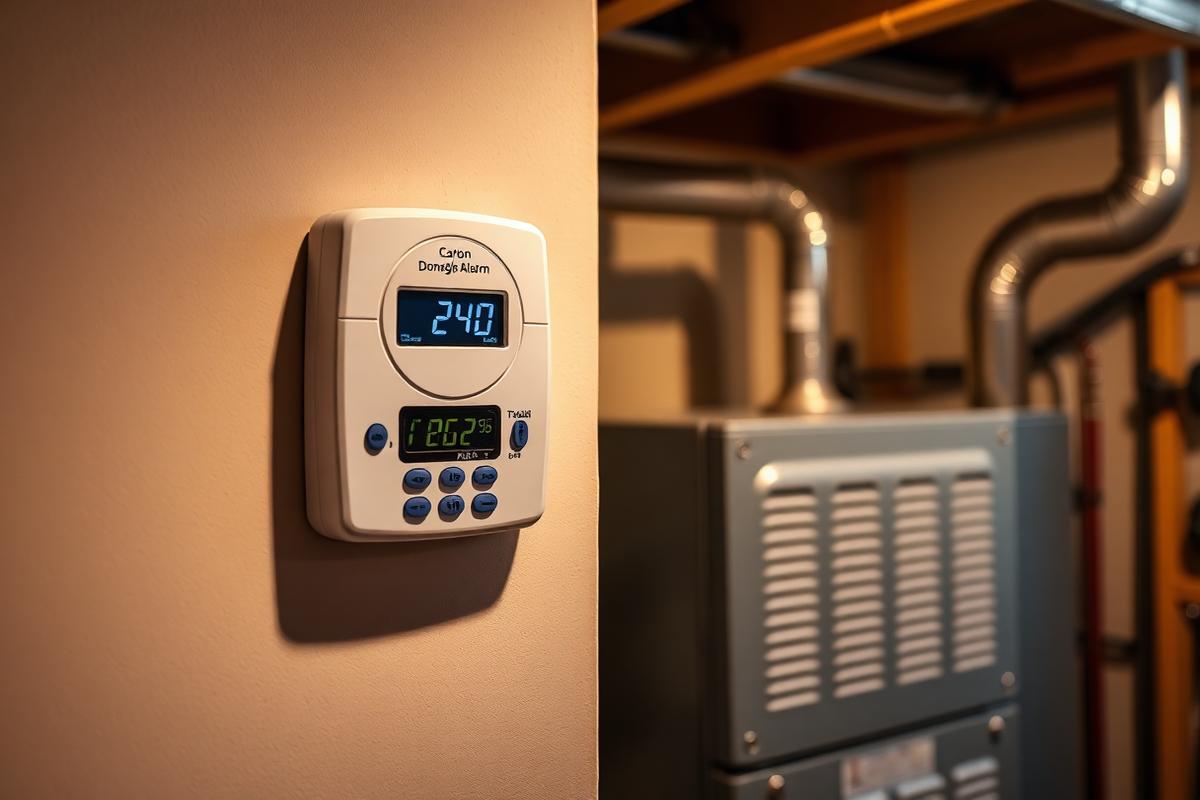
Smoke and carbon monoxide are very different household threats, but both require early detection and a fast response. Smoke may be visible or accompanied by a noticeable smell, while carbon monoxide is colorless, odorless, and difficult to identify without a dedicated sensor. For homeowners seeking a practical safety solution, combination smoke and carbon monoxide alarms can provide protection against both hazards in a single device.
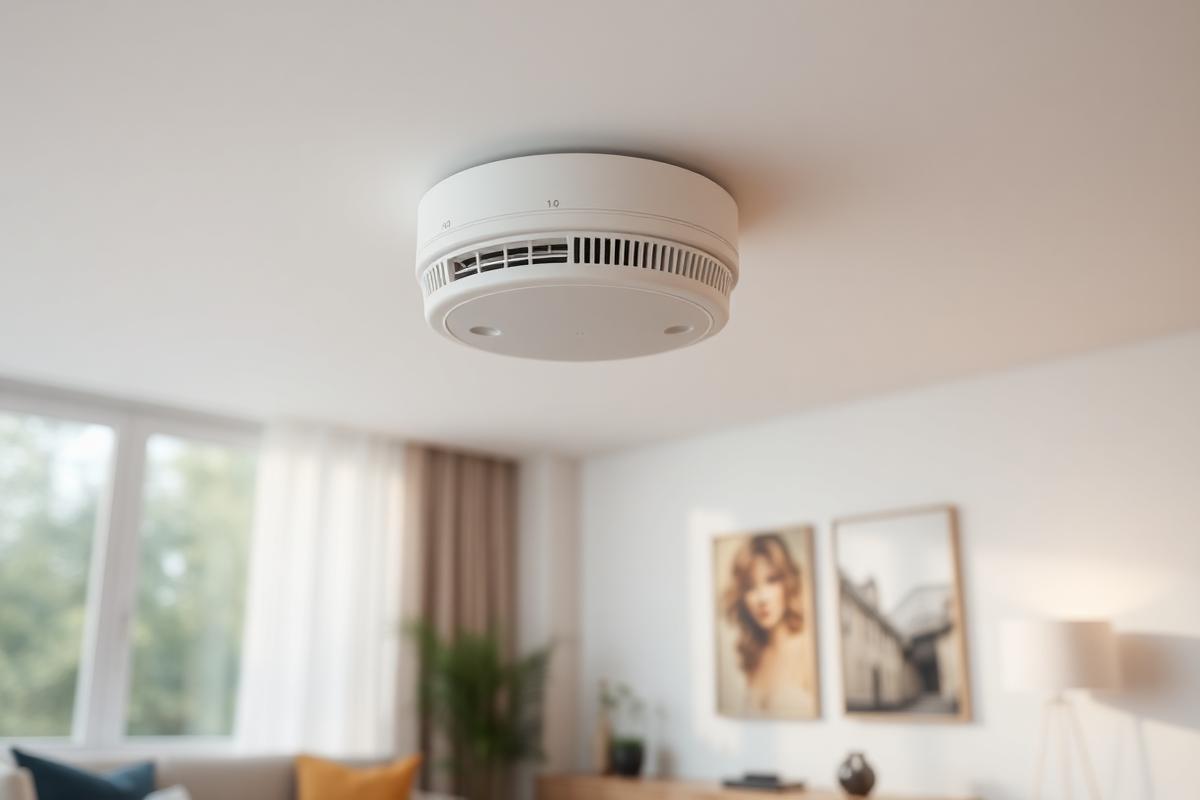
A combination alarm contains separate sensing technologies designed for different risks. Photoelectric smoke sensors are commonly used to detect visible smoke particles, including those associated with slow-smoldering fires. Carbon monoxide detection is typically handled by an electrochemical sensor that monitors changes in CO concentration.
By combining these functions, a single smoke and carbon monoxide detector can monitor both conditions without requiring two separate devices in the same location. This helps reduce the number of alarms installed throughout a home while maintaining distinct alerts for smoke and carbon monoxide incidents.
Why Two-in-One Detection Matters
The main benefit of a combination alarm is not simply convenience. It is the ability to create more consistent protection across bedrooms, hallways, living areas, and multiple floors.
Homes may contain several potential sources of smoke or carbon monoxide. Cooking equipment, heating systems, fireplaces, generators, vehicles, and fuel-burning appliances can all contribute to safety risks when they malfunction or are used incorrectly. Because the two hazards behave differently, homeowners should not assume that a smoke-only alarm will detect carbon monoxide or that a CO-only alarm will provide warning during a fire.
A two-in-one device addresses both detection needs from one installation point. This can make it easier for residents to plan alarm coverage, conduct routine tests, monitor battery status, and replace devices when required.
Combination alarms can also help households avoid uncertainty during an emergency. Models with voice notifications can clearly identify the type of danger instead of relying entirely on different beep patterns. Some systems can also announce the location of the alarm, helping residents understand whether smoke or CO has been detected in the living room, bedroom, basement, or another named area.
Interconnected Alarms Expand the Warning Area
A single alarm can only provide effective warning when people are close enough to hear it. This can become a concern in large, multi-story, or sound-insulated homes.
Interconnected systems are designed to address this limitation. When one connected alarm detects smoke or carbon monoxide, the other alarms in the network can also sound. A hazard detected in a basement, garage-adjacent room, or distant hallway may therefore trigger warnings throughout the property.
X-Sense XP0A-MR interconnected smart smoke and carbon monoxide alarm system connects through an SBS50 base station and supports whole-home interconnection, voice alerts with location information, and real-time notifications through the X-Sense Home Security app.
The base station can also bring several types of compatible safety devices into one network, allowing homeowners to manage smoke, carbon monoxide, combination, heat, and other supported sensors from a central app.
App connectivity can provide additional awareness when residents are away from home. Notifications may indicate that smoke has been detected, a battery is running low, or a device needs attention. Multi-user sharing can also allow selected family members or trusted contacts to receive safety information.
Placement Still Requires Careful Planning
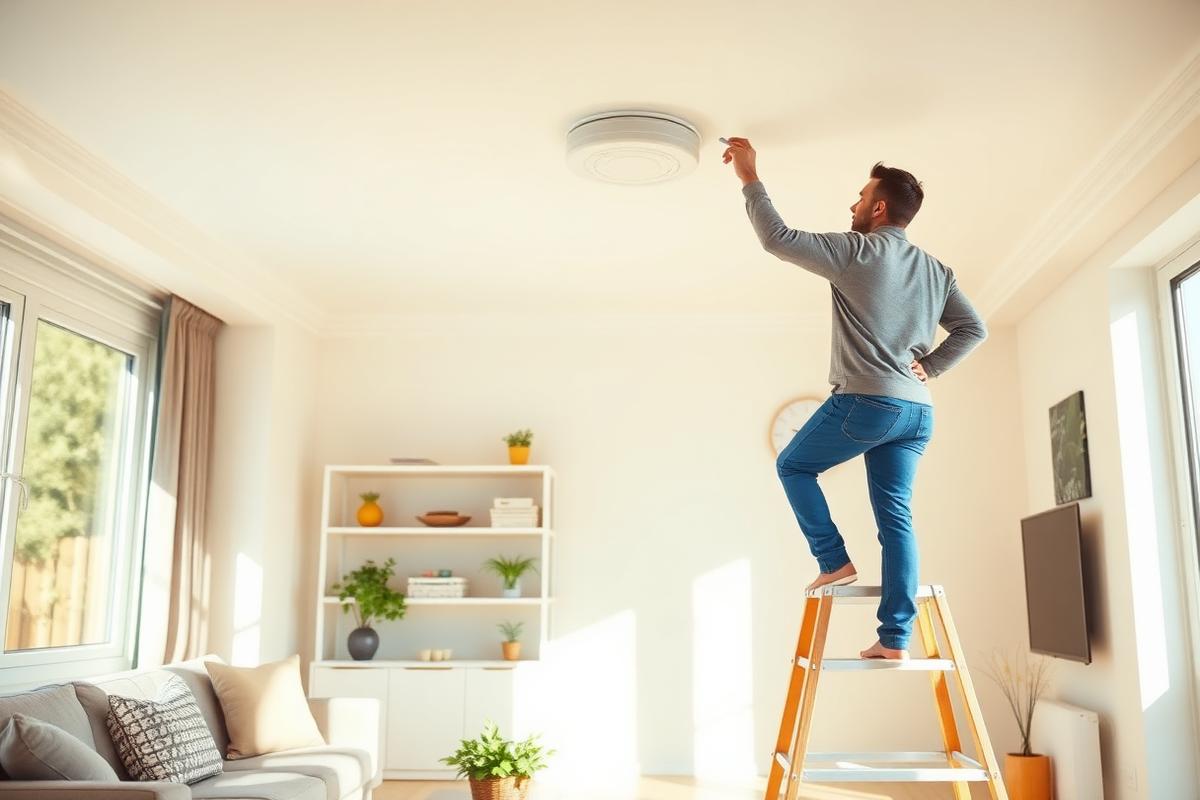
Although combination devices simplify household protection, correct placement remains essential. Homeowners should follow the manufacturer’s installation instructions, applicable building codes, and guidance from local fire-safety authorities.
An alarm should not be installed in a location where steam, cooking particles, extreme temperatures, or excessive humidity are likely to create nuisance alerts or interfere with performance. Placement requirements may also differ depending on room layout, ceiling height, fuel-burning equipment, and the number of floors in the property.
Interconnected alarms should be named according to their locations during setup whenever that feature is available. Clear labels such as “upstairs hallway,” “main bedroom,” or “living room” make voice and app notifications more useful during an emergency.
Testing and Maintenance Remain Essential
No alarm should be treated as a maintenance-free device. Users should test alarms according to the manufacturer’s recommended schedule, monitor low-battery warnings, keep sensing openings clear, and replace batteries or complete units when required.
Battery type and expected service life vary between models. Some combination alarms include sealed long-life batteries, while others use replaceable batteries. The XP0A-MR, for example, uses a replaceable CR123A lithium battery and provides battery-status information through its connected system.
Homeowners should also verify that every interconnected unit responds during testing. A successful test confirms not only that an individual alarm can sound, but also that the wider network and location announcements are functioning correctly.
A More Unified Approach to Home Safety
Combination smoke and carbon monoxide alarms bring two essential forms of detection into one device. When supported by voice alerts, interconnection, mobile notifications, and regular maintenance, they can provide clearer warnings and more consistent coverage throughout the home.
Technology cannot prevent every emergency, but early detection can give residents valuable time to respond. For homeowners reviewing an existing alarm setup, the most important step is to confirm that both smoke and carbon monoxide are being monitored—and that warnings can be heard wherever household members may be.