
Workplace Drug Testing After Legalization: What Employers Need To Know In 2026
A Patchwork Of Rules That Confuses EveryoneIf you're an employer navigating drug testing obligations right now, the

Press Release Disclaimer: This is a press release distributed through the XPR Media network. It has not been independently verified by our newsroom.
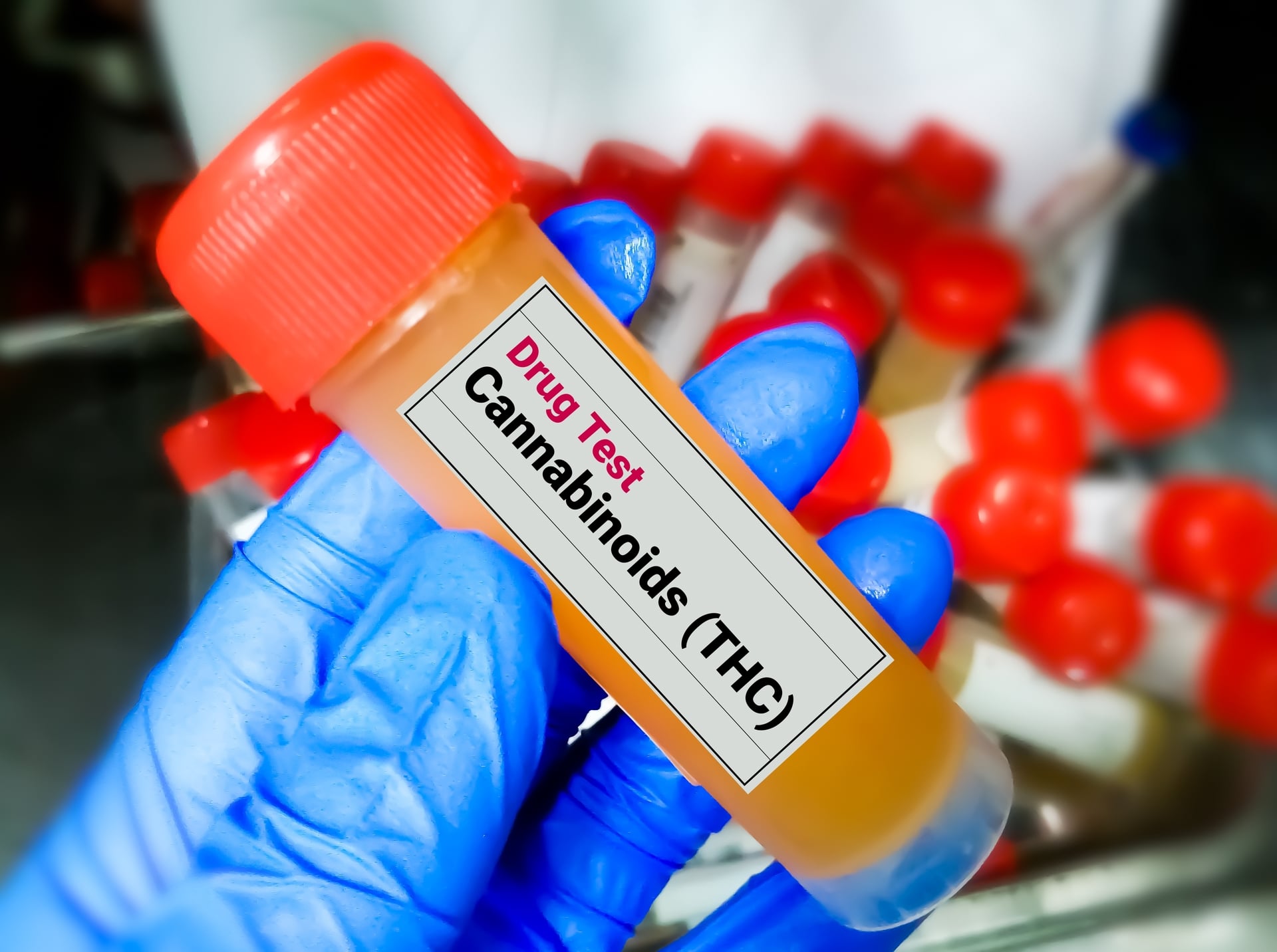

A Patchwork Of Rules That Confuses Everyone
If you’re an employer navigating drug testing obligations right now, the legal landscape isn’t exactly clear. Marijuana is legal for recreational use in 24 states and Washington, D.C., and for medical use in 40 states. At the same time, it remains a Schedule I substance under federal law, creating a confusing set of rules that varies significantly depending on where your business operates.
One area drawing particular attention is how testing methods interact with state laws. Oral swab drug tests have become increasingly relevant in this discussion because they detect the psychoactive form of THC rather than the non-psychoactive metabolites that can linger in urine for days or weeks after use — a distinction that now has direct legal consequences in several states.
What The Data Says About Workplace Drug Use
The scale of the problem is worth understanding. A 2024 survey by the American Addiction Centers found that around 15% of U.S. workers admitted to being under the influence of alcohol at work, and nearly 3% reported using drugs on the job. Those figures reflect a real challenge in safety-sensitive industries where even brief impairment can have serious consequences.
Can Employers Still Drug Test For Marijuana?
In most states, yes. Even where marijuana has been legalized, employers generally retain the right to enforce drug-free workplace policies. All 50 states permit employee drug testing, and most don’t require employers to accommodate marijuana use. The more nuanced issue is what happens after a positive result — and that’s where individual state laws start to carry real weight for anyone managing a testing program.
Where The Lines Are Getting Blurry
California and Washington have moved to restrict employer action based solely on urine tests that detect cannabis metabolites. Urine tests can pick up use that occurred days or even weeks earlier — well outside any window of actual impairment. In these states, employers may now need to demonstrate actual impairment, not just point to a positive test result, before taking action against an employee.
Why Testing Methods Have Entered The Conversation
Urine tests have long been the industry standard, but their longer detection window creates complications in states that require evidence of recent use. Oral fluid tests typically detect use within a 24 to 48-hour window, better reflecting whether someone was actually impaired during their shift. That distinction is becoming legally meaningful in several jurisdictions.
Federal Rules Still Apply In Many Settings
For employers in federally regulated industries, the picture is clearer. The Department of Transportation maintains strict testing requirements for truck drivers, pilots, and other safety-sensitive workers, and those rules apply regardless of state marijuana laws. Federal contractors are bound by the Drug-Free Workplace Act as well. State legalization simply does not change these obligations for federally regulated roles.
The Practical Takeaway
Staying current means knowing the laws where you operate, reviewing policies regularly, and being transparent with employees about your program. Working across multiple states makes legal counsel worth consulting. Employers who treat drug testing as a set-and-forget policy are most likely to fall out of step with current law — and the type of drug test you choose is now part of that compliance picture.
12 Panel Now
thestaff@12panelnow.com
+1 561 897 9238
801 N Congress Ave. Ste 101 Boynton Beach FL 33426
Boynton Beach
Florida
33426
United States


