New Forced-Labor Tariffs Raise Power-Import Duties; China-Plus-One Gap Holds
Kestner Supply: a July 23 action replaced an expiring surcharge with a 12.5% Section 301 duty on China and Vietnam —

Press Release Disclaimer: This is a press release distributed through the XPR Media network. It has not been independently verified by our newsroom.
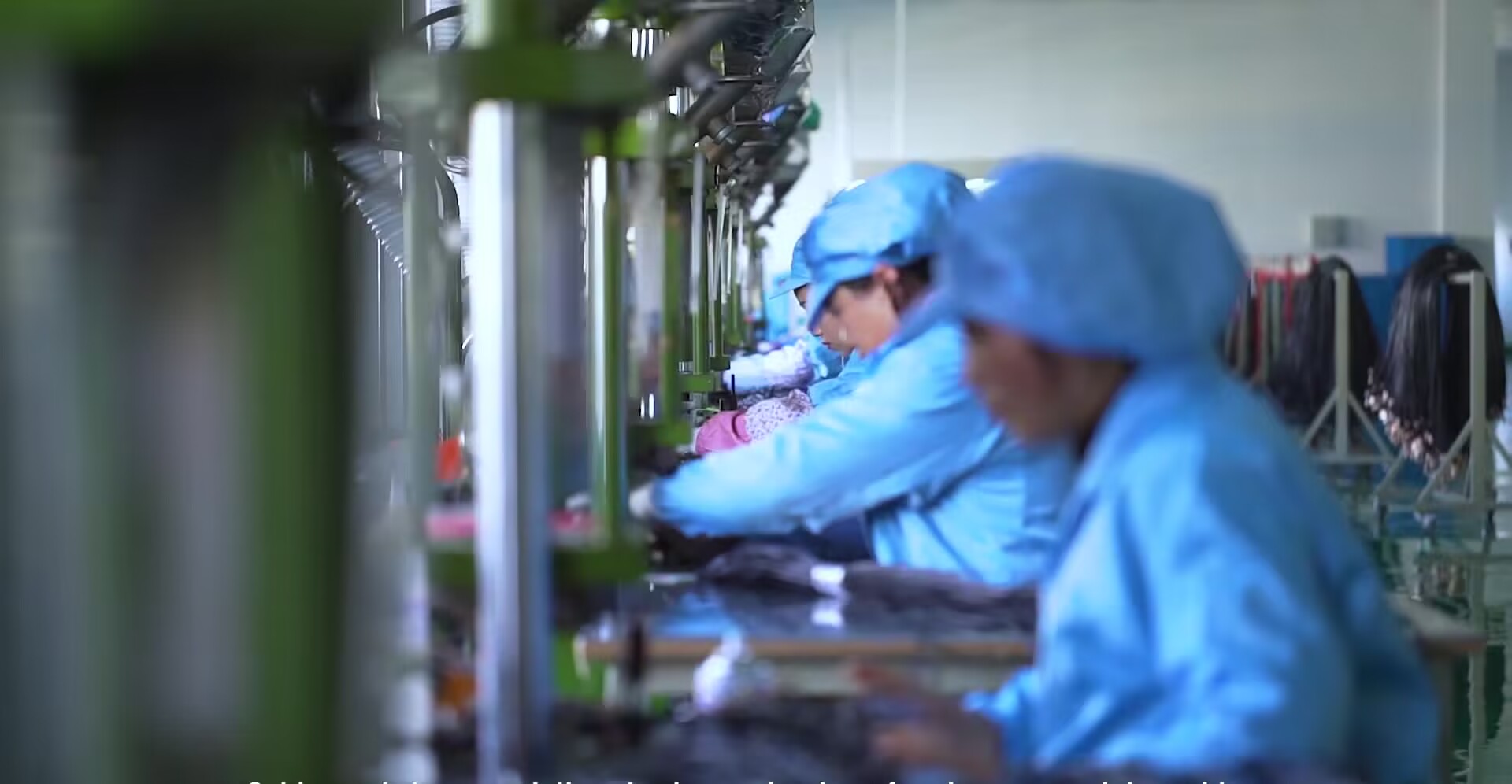

Kestner Supply: a July 23 action replaced an expiring surcharge with a 12.5% Section 301 duty on China and Vietnam — but the 25-point sourcing gap holds.
PRINCETON, NJ, UNITED STATES, July 30, 2026 /EINPresswire.com/ — A White House presidential action issued July 23, 2026 directs new Section 301 “forced-labor” tariffs on goods from 60 economies, and for U.S. importers of power adapters, chargers, and cables the practical effect is a higher, open-ended duty — not the relief many had expected from an expiring surcharge.
The action imposes the duty in two tiers: 12.5 percent on China, Vietnam, and 41 other economies, and 10 percent on 17 more, including Mexico and Canada. It took effect July 24, 2026, replacing a temporary 10 percent surcharge that lapsed the same day, and it stacks on top of the existing 25 percent Section 301 tariff on goods of Chinese origin. USMCA-compliant goods of Mexico and Canada are exempt. The figures are current as of July 29, 2026 and are verified against the U.S. Harmonized Tariff Schedule and the July 23 action; the measure is in effect and is being challenged in court.
For a switching power adapter classified under HTS 8504.40.85, the change lifts the effective duty on Chinese origin to 37.5 percent and on Vietnamese origin to 12.5 percent — each roughly 2.5 points higher than under the surcharge it replaced. Cable assemblies, coaxial cable, and optical fiber carry the same overlay over their own base rates.
The headline number is not the decision, according to Kestner Supply, a U.S.-based sourcing partner for power and connectivity hardware. What changed is the floor; what did not change is the gap that drives a sourcing decision.
That gap is 25 points — the List 3 Section 301 tariff, which applies to goods of Chinese origin only. The new forced-labor duty raises the cost from China and Vietnam by the same amount, so the relative advantage of a second, non-China origin is intact. This is the core of the China-plus-one approach: adding a qualified non-China source to reduce exposure to the China-only layer.
“Most importers read the expiring surcharge as relief,” said Shangye Li, principal of Kestner Supply. “It wasn’t. It was replaced the same day by a higher duty with no end date, and it covers Vietnam too. But the part that actually drives a sourcing decision didn’t move: genuine origin outside China still sheds the 25-point tariff. The floor went up. The reason to diversify didn’t.”
The action’s forced-labor basis adds a second dimension to origin. Because the tariff follows a determination that covered economies failed to prohibit or enforce a ban on imports made with forced labor, country of origin is now both a cost question and a documentation question.
“Where a part is actually made — and whether a buyer can prove it — now matters on two fronts at once,” Li said. “A quote that beats the tariff table by relabeling origin will cost the full Chinese-origin rate plus penalties when customs samples the entry. The savings only clear if the origin does.”
For procurement teams, the practical takeaway is that re-sourcing math built before July 24 still holds; only the absolute duty figure is higher. Buyers weighing a move should confirm that a second origin reflects substantial transformation rather than final assembly of Chinese subassemblies, which remains Chinese origin for tariff purposes.
Kestner maintains a public, verified duty stack for power and connectivity imports — every layer cited to its authority with the date it was checked — and a free, browser-based tool that estimates a bill of materials’ duty exposure line by line. Both are available at kestnersupply.com/insights.
About Kestner Supply
Kestner Supply is a U.S.-based, manufacturer-backed sourcing partner for power and connectivity hardware — power adapters, chargers, cables, and patch cords. The company sources to a buyer’s specification from qualified production lines in China and Vietnam, documents country of origin per unit, and prices in U.S. dollars with the tariff math shown. More information is at kestnersupply.com.
Mike Li
Kestner Supply
+1 5742166551
email us here
Visit us on social media:
LinkedIn
Other
Legal Disclaimer:
EIN Presswire provides this news content “as is” without warranty of any kind. We do not accept any responsibility or liability
for the accuracy, content, images, videos, licenses, completeness, legality, or reliability of the information contained in this
article. If you have any complaints or copyright issues related to this article, kindly contact the author above.

Media gallery