
Indonesia Specialty Coffee Ships 57.6 Tonnes of Royal Gayo Coffee to Kuwait
MEDAN, ID / ACCESS Newswire / August 4, 2026 / Indonesia Specialty Coffee (ISC), a green coffee exporter and trading

Press Release Disclaimer: This is a press release distributed through the XPR Media network. It has not been independently verified by our newsroom.
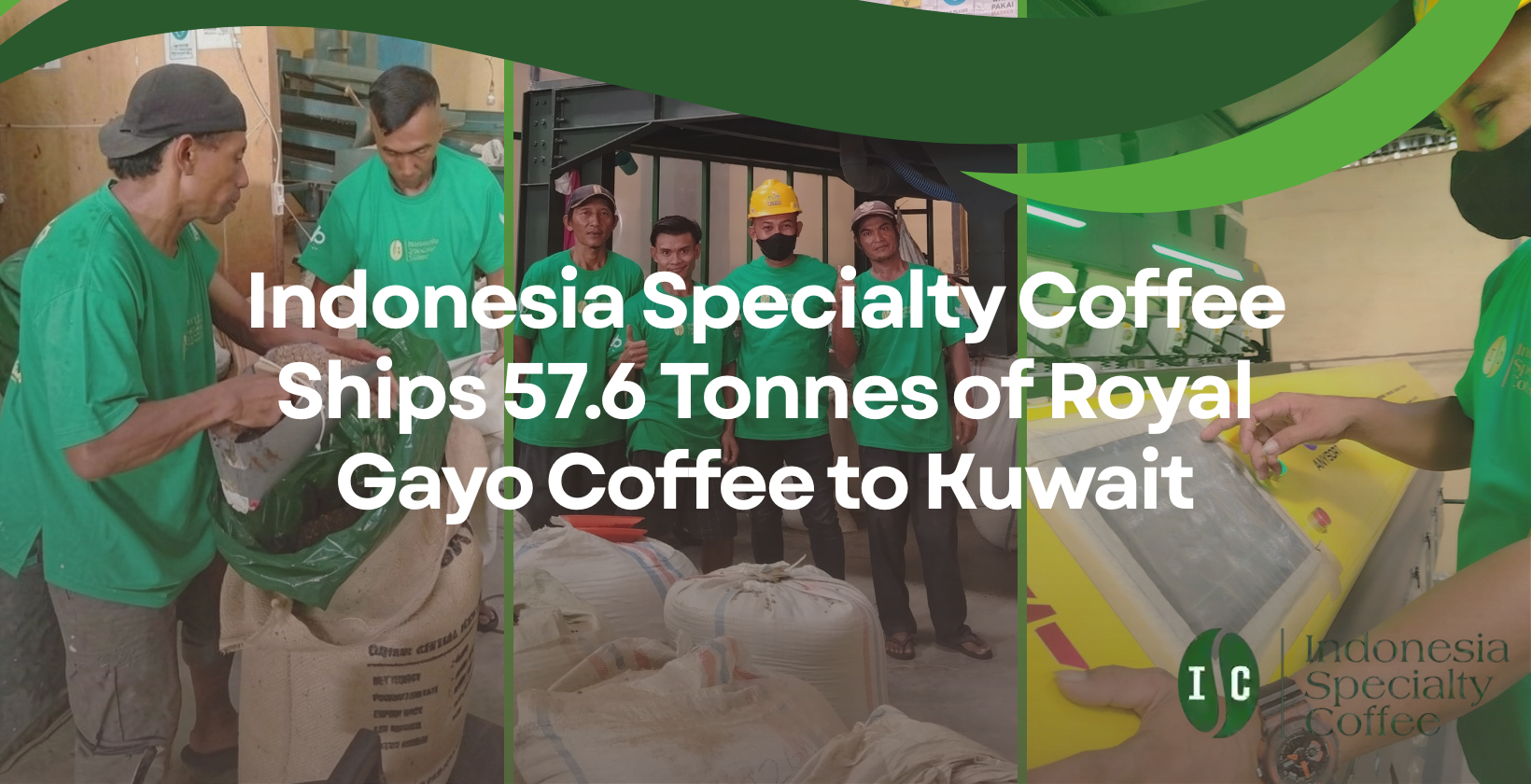

MEDAN, ID / ACCESS Newswire / August 4, 2026 / Indonesia Specialty Coffee (ISC), a green coffee exporter and trading company based in Medan, North Sumatra, today announced a specialty coffee export shipment to Kuwait. The shipment consists of three twenty-foot (20 ft) containers carrying a total of 960 bags, or 57.6 tonnes, of Royal Gayo coffee from Aceh Gayo, Indonesia.
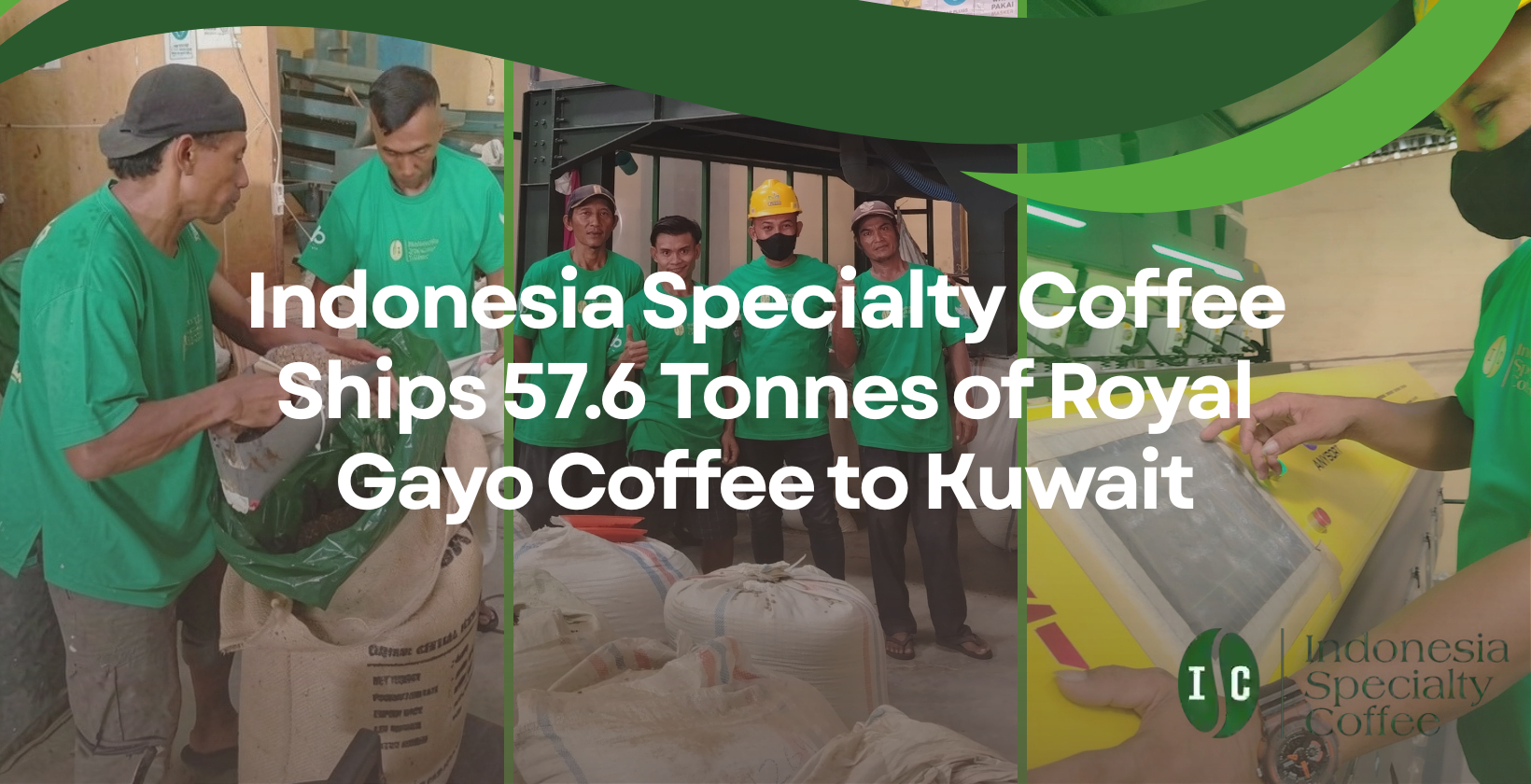
The export forms part of ISC’s push to strengthen the position of Indonesian coffee in international markets, particularly across the Middle East. Beyond meeting demand for Indonesian specialty coffee in the Kuwaiti market, the shipment is designed as the foundation of a long-term business relationship between ISC and its partners in Kuwait, while lifting the export value of Indonesian coffee, especially specialty lots from Aceh Gayo. To support that continuity, existing buyers in Kuwait are also being offered free shipping on repeat orders over the next twelve months, backed by the Government of Indonesia together with a partner financial institution.
Shipment details:
-
Exporter: Indonesia Specialty Coffee (ISC)
-
Destination: Kuwait
-
Containers: 3 units, 20-foot (20 ft) size
-
Total load: 960 bags
-
Total weight: 57.6 tonnes
-
Product: Royal Gayo, specialty coffee from Aceh Gayo, Indonesia
-
Cupping score: 82.75 (SCA protocol)
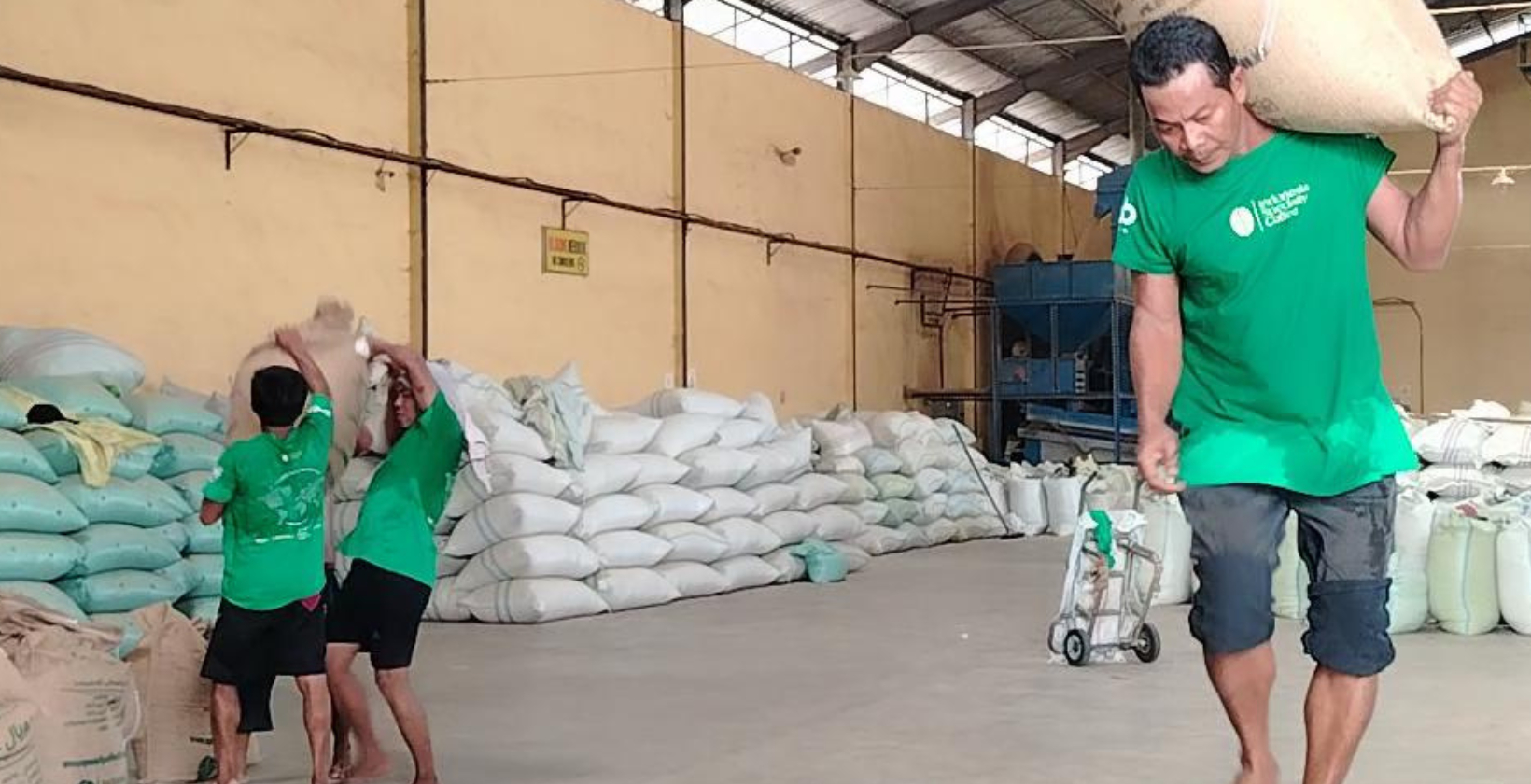
The coffee is packed in 60-kilogram bags, with 320 bags loaded into each container. The full load was shipped through the Port of Belawan, the main export gateway for coffee from Sumatra.
Royal Gayo: Specialty Quality from the Aceh Highlands
Royal Gayo is a specialty-grade arabica sourced from plantations across the Central Aceh region, the heart of the Gayo highlands, with production areas that include Takengon and Bener Meriah. The coffee grows at 1,200 to 1,700 meters above sea level on fertile volcanic soil in a wet climate close to the equator. Those conditions build the profile Gayo is known for: a full body with medium-to-low acidity, and fruity, floral notes of citrus and berries over chocolate and spice.
Indonesian coffee is shaped by a two-step process, and both steps matter to the cup. In Step 1, cherries are either semi-washed pulped, fermented for 12 hours, partially washed, then dried with the mucilage still attached, which lends the heavy body, muted acidity, and earthy-chocolate character that dominates Gayo Arabica from Aceh Tengah, Bener Meriah, and Gayo Lues, as well as Mandheling and Lintong or full-washed, where an additional 24-hour soak strips the mucilage entirely, producing more uniform drying, lower defect rates, and a brighter, cleaner, more clearly defined cup. Step 2 is the hulling: wet-hulling, known locally as Giling Basah, removes the parchment at 35-40% moisture and deepens the body, while dry-hulling at 12-13% follows the global washed standard for maximum clarity.
ISC itself has operated a specialty coffee processing plant in Takengon, Central Aceh, since 2015, part of the 75 hectares of processing sites the company owns and manages.
The lot exported to Kuwait recorded a cupping score of 82.75 under the Specialty Coffee Association (SCA) protocol, clearing the 80-point minimum for the specialty category. As a reference point, ISC grades its Aceh Gayo Grade 1 green beans at a screen size of 15 to 19, moisture content of no more than 13 percent, and a maximum defect value of 11. Every sample that passes through ISC’s office is cupped and graded by trained Q graders and the company’s quality control team before shipment.
How ISC Works With ITPC and Indonesian Quarantine
ISC works through the Indonesian Trade Promotion Center (ITPC), the Ministry of Trade’s network of overseas trade offices. Each ITPC office provides market information, handles buyer inquiries, facilitates trade cooperation, and runs business matching in its accreditation country. For a Gulf importer, that network is the shortest route to a verified Indonesian exporter.
Before the containers left Belawan, Badan Karantina Indonesia (Barantin) inspected the shipment and issued the Phytosanitary Certificate. Quarantine officers draw samples, run laboratory testing, and check the consignment against the standards that apply in the destination country, and the certificate is withheld if a lot cannot meet them. On arrival, food imports into Kuwait clear through the Public Authority for Food and Nutrition. Both checks happen before the buyer ever opens a bag.
Free Shipping Facility for Existing Buyers in Kuwait
Alongside the shipment, ISC confirmed a shipping facility reserved for its existing buyers in Kuwait. Freight on repeat orders is covered through support from the Government of Indonesia together with a partner financial institution, which means an existing buyer pays for the coffee and not for the shipping.
The terms are deliberately simple. The facility is open to the same buyer ordering the same coffee quality as this shipment, and it runs for the next twelve months. Buyers who keep their specification unchanged therefore have a full year to place repeat orders with freight covered.
Facility at a glance:
-
Eligibility: existing ISC buyers in Kuwait placing repeat orders
-
Coverage: free shipping, supported by the Government of Indonesia and a partner financial institution
-
Requirement: same buyer, same coffee quality as this shipment
-
Period: twelve months from this export
Eligibility and full terms are confirmed with ISC at the time of order.
Local Stock, Shorter Lead Times: ISC’s Middle East Distribution Plan
Every ISC order to the Middle East currently starts at the same point: a container leaving Belawan. That single origin sets the floor on how fast any buyer in the region can be served, regardless of order size. A roaster in Kuwait reordering 500 kg waits on the same sailing schedule as a buyer taking a full container load.
ISC intends to change that structure by holding ready stock inside the region, in Kuwait or elsewhere in the Gulf, within the next one to three years. A regional stocking point moves inventory forward in the supply chain, closer to the buyer than to the origin. Buyers would draw from local inventory instead of waiting on a sailing from Belawan, which shortens lead times and takes freight economics out of the reorder decision. Smaller and more frequent orders become viable, because no single order has to carry the cost of an ocean leg on its own.
The plan follows the same logic as the shipment itself: serving the Middle East as a standing market rather than a series of one-off exports. It also changes what ISC is to buyers in the region, from a spot exporter quoting per shipment to a supply partner holding stock against forecast demand. Order volume and quality consistency over the coming year will determine how quickly that stocking point is put in place.
Strategic Value for Indonesian Coffee Exports
The Kuwait shipment carries strategic weight beyond the transaction itself. ISC has set three goals for the export: meeting demand for Indonesian specialty coffee in the Kuwaiti market, building a long-term business relationship with partners in Kuwait, and raising the export value of Indonesian coffee, particularly specialty lots from Aceh Gayo.
The Gulf region has a deeply rooted coffee-drinking tradition, and demand for Indonesian specialty coffee in Kuwait is the basis of this shipment. A successful export is expected to open wider cooperation across the Middle East and reinforce recognition of Indonesian specialty coffee quality in international markets.
The destination also fits ISC’s stated direction. The company, which has served buyers in more than 50 countries, lists a strong presence in Dubai and the wider Middle East among its missions, and the Kuwait shipment gives that agenda a concrete trade lane. Indonesia currently ranks as the world’s fourth-largest coffee producer, according to the United States Department of Agriculture (USDA), and Gayo is among the country’s best-known arabica origins in export markets.
For farmers in the Gayo highlands, exports of this kind open more stable market access for specialty-quality coffee. ISC partners with selected farmer cooperatives in its producing regions and operates as a Benefit Company, with a stated goal of improving the quality of life for everyone involved in the coffee industry.
About Indonesia Specialty Coffee
Indonesia Specialty Coffee (ISC) is a green coffee exporter and trading company founded in 2010 and based in Medan, North Sumatra. The company supplies Indonesian Arabica and Robusta green beans from origins including Gayo, Mandheling, Lintong, Java, Toraja, Kalosi, Flores, and Bali Kintamani, and has served buyers in more than 50 countries. ISC operates as a Benefit Company, owns and manages 75 hectares of specialty coffee processing sites, including its plant in Takengon, Central Aceh, and partners with selected farmer cooperatives, with every sample cupped and graded by SCA-licensed Q Graders. More information is available at SpecialtyCoffee.id.
Media Contact:
Indonesia Specialty Coffee
Jl. Sei Besitang No. 18 A, Sei Sikambing D, Medan Petisah, Medan, Sumatera Utara 20119, Indonesia
WhatsApp Number: +62 811-638-0606
Email: info@specialtycoffee.id
Website: https://specialtycoffee.id/
SOURCE: Indonesia Specialty Coffee
View the original press release on ACCESS Newswire


